
Landlord Gas Safety Certificates: What the Law Actually Requires
A plain-English guide to CP12 gas safety records for landlords — what must be checked, the 28-day rule, what happens if a tenant refuses access, and what it costs.
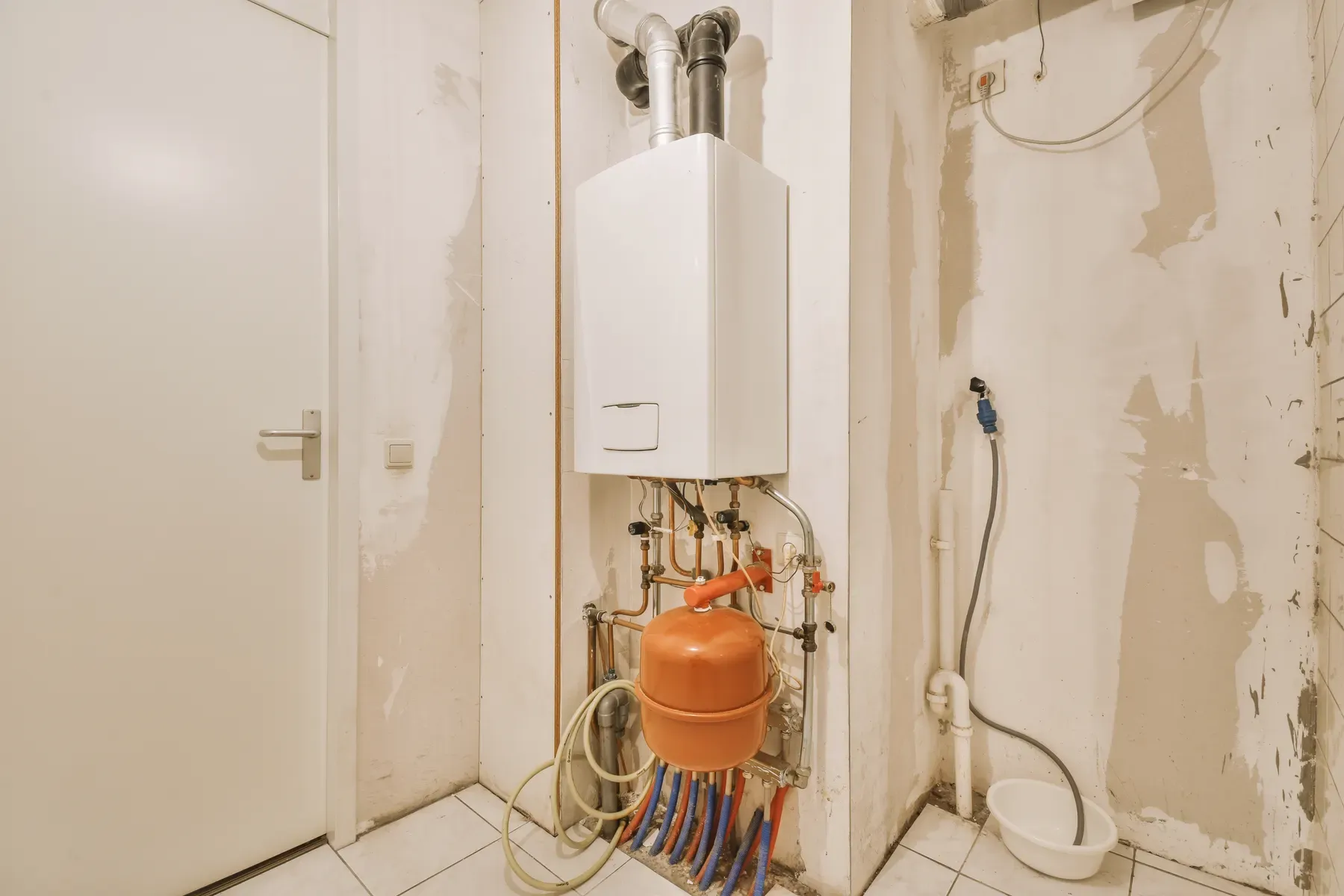
Gas safety is one of the few landlord obligations where the rules are genuinely simple and the consequences of getting it wrong are genuinely severe. Here is what the Gas Safety (Installation and Use) Regulations 1998 actually require of you.
Your four duties
1. Annual safety checks. Every gas appliance, fitting and flue in the property must be checked for safety every 12 months by a Gas Safe registered engineer. That includes appliances you provided and the pipework serving them.
2. Maintenance. Beyond the annual check, you must keep gas appliances and flues in a safe condition. In practice this means acting on anything the check flags, and servicing appliances in line with the manufacturer’s instructions.
3. Records to tenants. You must give your tenant a copy of the gas safety record within 28 days of the check being completed. New tenants must be given a copy at the start of the tenancy.
4. Record keeping. Keep copies of the records for at least two years.
What is not your responsibility
You are not responsible for appliances the tenant owns and brought with them — though you are still responsible for the pipework and flue serving them, and for the installation generally. If a tenant has installed their own gas appliance, that is worth documenting clearly.
A CP12 is not a service
This catches out a surprising number of landlords, including experienced ones.
A gas safety check (CP12) confirms the appliance is safe on the day of inspection. It looks at gas tightness, operating pressure, heat input, flue flow and spillage, ventilation, and the functioning of safety devices.
A service is maintenance. It strips and cleans components, replaces consumables, and keeps the appliance working properly and efficiently.
You need both. A boiler that passes a CP12 every year but is never serviced will still fail — and the manufacturer will decline a warranty claim on the basis that it was never serviced. We do the two in one visit, which costs less than booking them separately.
The renewal date trap
You can have the check done up to two months before the certificate expires without shortening the cycle. If your certificate expires on 1 November and you have the check done on 15 September, the new certificate still runs to 1 November the following year.
If you have the check done more than two months early, you lose the remaining time and the renewal date moves permanently earlier. Over a few years that drift can cost you an extra inspection.
Access refusal
Tenants occasionally refuse or repeatedly fail to give access. You cannot force entry, but you also cannot simply give up — you must show you took all reasonable steps.
That means: repeated attempts, in writing as well as by phone, offering times that fit around the tenant’s work, explaining clearly that this is a safety and legal requirement, and keeping a dated record of every attempt. Where access is still refused, take advice before proceeding — but the paper trail is what protects you.
We handle this part for landlords as a matter of course. We contact tenants directly, offer flexible times, chase the ones who do not respond, and document every attempt for your records.
What it costs
A CP12 for a single appliance starts at £65. Additional appliances at the same property are charged at a reduced rate. A combined safety check and full boiler service in one visit is cheaper than the two booked separately, and it is what we would recommend for any property you intend to hold.
For portfolios, we put every property on a rolling annual schedule with automatic reminders, arrange access directly with tenants, and send you certificates as they complete along with a compliance status list. See our landlord services or get in touch with your property list.
Why it matters beyond the fine
The enforcement penalties are serious, but the practical consequence landlords hit most often is different: a missing or expired CP12 invalidates a Section 21 notice. If you need possession and your gas safety records are not in order, you may not be able to get it — regardless of the merits of your case.